Mold Inspection in Haller Lake, WA
Suspected mold and hidden moisture are assessed in your Haller Lake home to define the next repair and cleanup steps. Call 24/7 to arrange your assessment.
- Visual and moisture checks
- Clear assessment and sampling scope
- Findings explained before cleanup
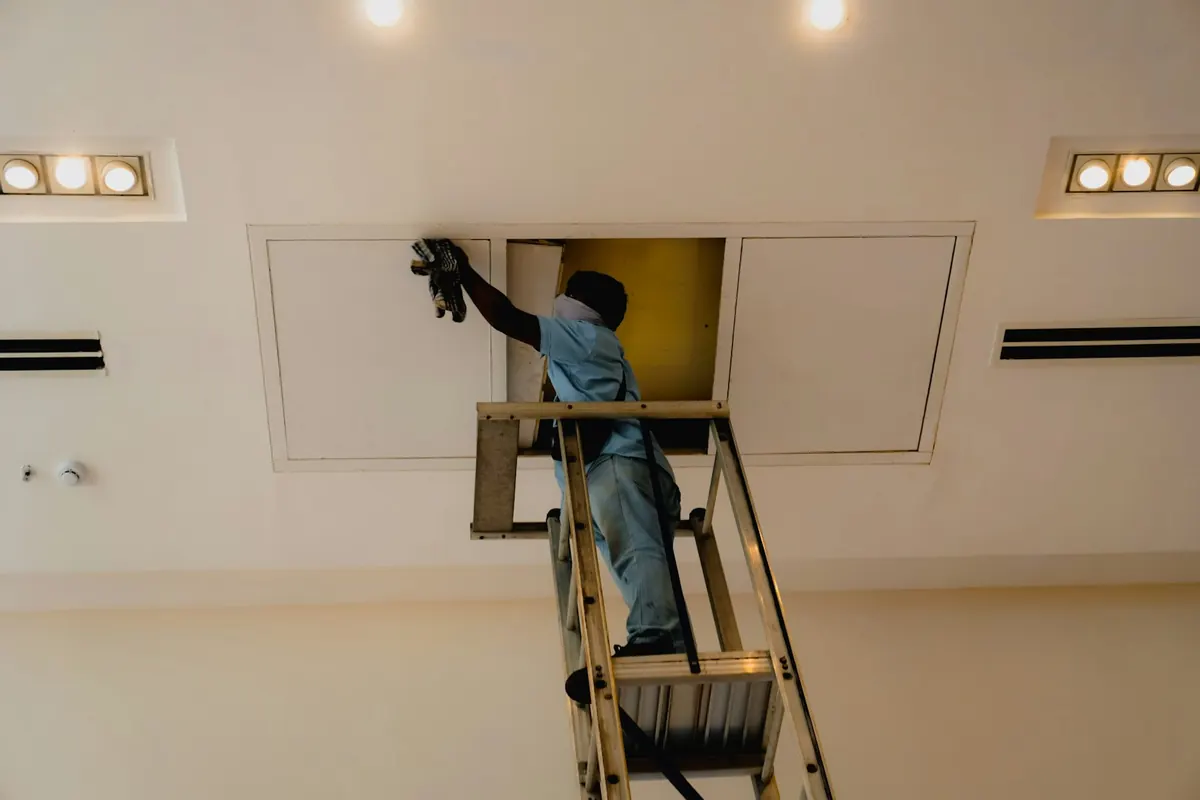
Explore Mold Inspection Services in Haller Lake
Checks for growth and moisture cover your accessible cabinets, walls, attics, ceilings and crawl spaces. From those observations, the assessment identifies affected materials and probable places where water gets in.
Your dampness map combines moisture meter measurements with visual checks. Temperature variations flagged by a thermal imaging camera need further investigation. This device, also known as an infrared camera, cannot identify mold.
Your written report explains findings, access limits and each remediation recommendation. Air sampling or surface sampling addresses a defined question. Lab results are interpreted alongside moisture readings.
- Room-by-room assessment within your scope
- Moisture mapping around leaks and stained areas
- Crawl space access and attic entry checks
- Targeted sampling when needed
- Affected material and cleanup scope
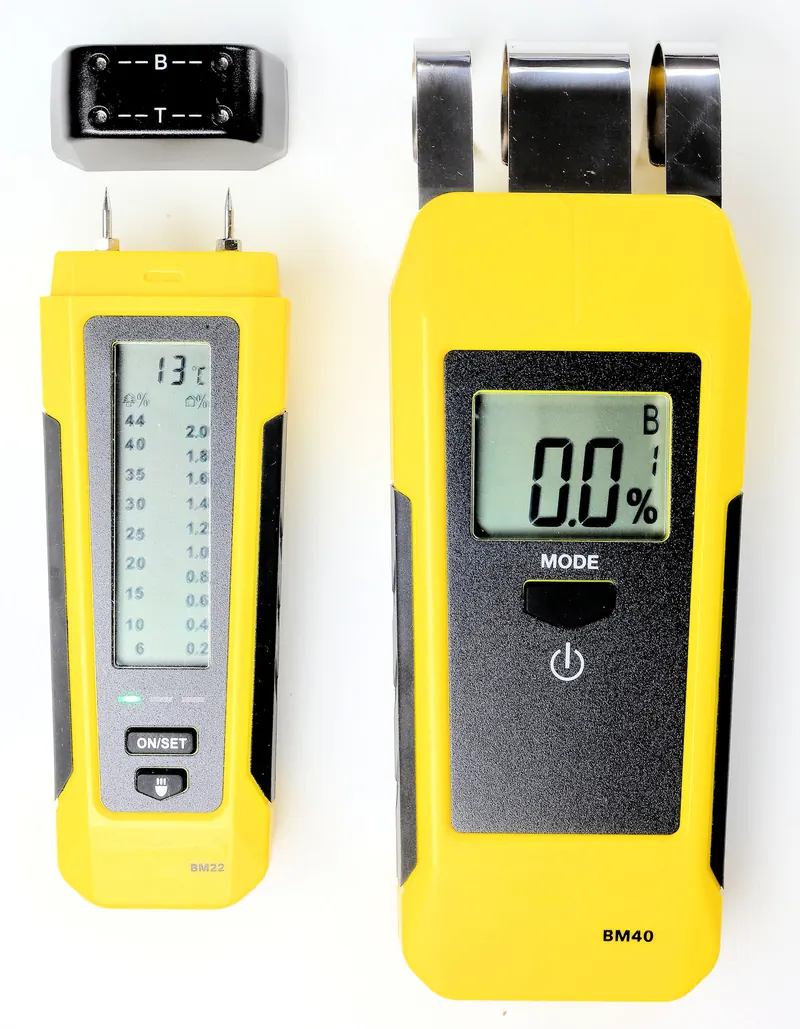
Mold Assessment in Haller Lake: Signs to Watch For
Have your property assessed for returning spots, unexplained smells or damp finishes before you cover any damaged surfaces.
Stains After a Leak
Water intrusion leaves lingering signs: rings on your ceiling, cabinet backing that swells or drywall that feels soft.
Musty Odor Without Visible Growth
You notice a musty smell in your room despite clean-looking accessible floors and walls.
Suspected Mold Behind Finishes
As you renovate, hidden framing reveals patches, or you uncover stained backing or damp insulation.
Condensation and Damp Corners
You routinely dry the surfaces, yet window moisture or damp wall corners persist.
Mold Returns After Cleaning
Unresolved moisture leaves you with returning spots beneath sinks, beside windows or at baseboards.
How Your Greater Seattle Property Is Assessed by Mold Inspectors
Your assessment sets out findings and the work scope. If cleanup is included, containment follows assessment, then removal proceeds before cleaning, drying and final verification.
Call and Mold Assessment
Begin your call by discussing the affected rooms. Accessible surfaces are inspected for growth, stains and damage.
Moisture Source and Scope
Likely moisture sources and damp areas emerge through moisture mapping. Your written scope of work separates assessment, sampling, cleanup and repairs.
Containment Before Opening
Before exploratory opening, poly sheeting forms a containment barrier. Where necessary, HEPA filtration works with negative air pressure to restrict spreading particles.
Targeted Access and Material Removal
Openings made with authorization uncover suspect insulation or backing. Agreed cleanup includes removing materials beyond salvage and bagging them inside containment.
Cleaning the Exposed Area
During agreed cleanup, sound surfaces are HEPA vacuumed and damp cleaned. To help control particles, a HEPA air scrubber is used.
Drying and Moisture Checks
After cleaning during remediation, controlled air movers and a dehumidifier help with drying. Before closing cavities, moisture readings show how drying progresses.
Verification and Findings
Access limitations appear alongside findings in the inspection report you receive. Cleaning and drying receive post-remediation verification after cleanup; responsibility for specified clearance testing rests with an independent assessor.
Containment Removal
Once cleaning, drying and the agreed final checks finish, barriers are removed. Unfinished repairs stay noted within your scope.
Why Consider Seattle Mold Removal Services for Mold Inspection?
Moisture First
Your assessment traces moisture behind recurring growth.
What the Findings Mean for Next Steps
Observations and moisture readings inform the cleanup needs outlined in your report.
Controlled Exploratory Work
HEPA filtration accompanies containment suited to the disturbance of affected materials.
Calls Answered 24/7
You can arrange your assessment through one number for the whole metro, day or night.
Clear Mold Assessment Scope
Rooms and access limits appear in your scope alongside sampling requirements.
Steps Before a Mold Assessment in King County
Keep possible mold untouched ahead of your assessment.
- Keep the affected area clear. Keep suspect materials out of reach of children and pets.
- Leave wall finishes in place. Leave moldy surfaces unopened, unscraped and unsanded until the visit.
- Stop a leak when safe. Avoid standing water wherever electrical equipment is nearby.
- Keep suspect HVAC equipment off. If contamination is possible, EPA advises you to leave the system off.
- Limit fresh water damage. EPA advises drying water-damaged areas and items within 24 to 48 hours to prevent mold growth.
Understanding Mold Inspection Cost in Haller Lake, WA
Property size, access conditions and the inclusion of sampling affect your inspection price. Fixr separates assessment-only figures from costs for testing visits and additional samples. The published ranges serve as guidance, not a quote specific to your property.
Average $500 for a typical inspection including lab testing and two samples
$450 to $800 per inspectionSource: Fixr, Mold Inspection Cost (checked 2026-10-23)Inspection only, no testing
$300 to $600 per inspectionSource: Fixr, Mold Inspection Cost (checked 2026-10-23)Black mold inspection
$600 to $800 per inspectionSource: Fixr, Mold Inspection Cost (checked 2026-10-23)How Your Mold Inspection Price Varies
- Access to attics and crawl spaces
- Lab fees
- Home size
- Number of samples
- Whether drywall must be opened to test
Your Assessment Scope and Price
These published national ranges are planning figures. Your on-site assessment defines the work and price before cleanup starts, including any separate source repairs or rebuilding.
Call (844) 352-3560 about costMold Inspection Service Area Across Greater Seattle
Call (844) 352-3560 to arrange cleanup in Haller Lake or nearby communities. One number covers the metro.
Mold Inspection in Locations Near Haller Lake
ZIP codes
Frequently Asked Questions About Mold Inspection in Haller Lake
Which factors change assessment costs in King County?
Your sampling scope, property size and available access shape the price. Visits including samples and laboratory analysis are distinguished in the cost cards from those without testing. Extra samples or exploratory openings can add work. Your scope of assessment notes these distinctions ahead of the visit or additional work.
Are mold inspection and testing always required as a pair?
Under guidance from EPA, visible growth often needs no sampling. Testing becomes part of the work when results could resolve a specific question affecting the job. A tape lift, swab sample or spore trap is examined by an independent testing lab. Those findings are interpreted with site observations, moisture readings and access limits.
During the assessment, can you remain in your home?
You can usually access rooms beyond the immediate inspection area during a visual assessment. Exploratory opening or later contained cleanup can change those arrangements. Your layout, access routes and household needs determine which areas remain usable. Restricted areas stay apart during work that disturbs materials, while the visit does not amount to blanket occupancy clearance.
How much time should you allow for an assessment in Haller Lake?
Investigating concealed areas, the number of rooms and available access all influence your inspection time. Opening a wall or taking samples is different from a visual visit. During assessment, findings are documented wherever areas allow access. If testing forms part of your assessment, report completion timing depends on lab processing.
Must drywall be taken out as part of the visit?
Without drywall removal, many assessments begin by checking reachable surfaces and taking moisture readings. Suspected hidden damage may require an approved opening with suitable precautions. Removal of moldy drywall or damaged backing may become necessary when cleanup follows. Confirmed damage is identified in your findings separately from concealed spaces the visit could not inspect.
Do you need testing following mold removal?
The final checks determine if agreed drying and cleaning are finished. If specified, clearance testing is carried out by an independent assessor while containment is still in place. Visible conditions, along with moisture readings, inform consideration of the results. No federal limit applies to indoor mold, which means a lab number by itself cannot serve as a universal pass mark.
Does the visit include removal and moisture repairs?
The assessment identifies affected materials alongside the moisture issue. Your scope must list removal, roof work, plumbing repairs or rebuilding for those tasks to be included. If cleanup follows, the work moves through containment, material removal, cleaning, drying and final checks. Before cavities receive new finishes, your plan still includes the necessary repairs to the moisture source.
Insurance and Your Washington Mold Assessment
Homeowners insurance coverage depends on your policy, moisture cause, exclusions and deductible. Assessment, testing, removal and source repairs may receive different coverage decisions.
Taking Precautions During a Mold Assessment in Greater Seattle
Limits on access and risks from disturbance guide your property assessment.
Mold Color
You cannot determine how risky mold is from color alone, CDC says.
Hidden Moisture
Insulation behind a dry surface may have a condition the surface does not reveal.
Opening Moldy Materials
Suitable protective equipment and containment are needed when exploratory openings could release mold spores.
Restricted Access
Unsafe attic flooring or tight crawl spaces can limit the inspection.
Cleanup scope: EPA guidance allows that cleaning areas below about 10 square feet is often possible for the homeowner. Call for professional help with mold from sewage, contaminated water, HVAC involvement or larger affected areas.
Mold-Affected Materials Assessed in King County
Findings show what can be cleaned and what might need removing when cleanup takes place at your property.
Non-Porous Surfaces
- Cleaning and drying may be possible for intact metal, glass and tile.
Porous Materials
- You may need to remove moldy carpet, ceiling tiles and drywall, while sound wood may allow cleaning.
Concealed Damage
- Approved openings allow checks of backing and insulation wherever access is possible.
Planning Your Mold Inspection Time in King County
Inspection depth, property accessibility and laboratory processing, if needed, shape your schedule.
- Site visit: Difficult crawl space access, hard-to-enter attics and more rooms can increase the length of your visit.
- Further investigation: Extra sampling along with authorized openings may increase the work required.
- Completed findings: Lab analysis, when included, affects completion of the report.
Musty Odor in Haller Lake: Checking for Mold
Musty odor directs the search but does not establish the extent of growth. Accessible cabinets and adjoining spaces are checked within your scope.
EPA recommends indoor relative humidity below 60 percent, ideally 30 to 50 percent. Humidity control supports moisture correction; the water problem must be fixed or mold can return.
Mold Assessment Requirements in Washington
Mold Inspector Requirements
The Washington Department of Health says the state has no specific certification requirements for mold or water damage restoration. It suggests confirming any contractor's registration, bond and insurance, which you can check on the Department of Labor and Industries (L&I) contractor lookup.
Exploratory Access
Proper authorization must precede opening walls or accessing shared areas.
Indoor Mold Levels
No federal indoor mold level limit has been set by EPA. A spore count by itself does not demonstrate that your home is safe.
State Mold Information
The Washington State Department of Health publishes a Mold fact sheet and renter and landlord mold guidance. It says you usually do not need to sample for mold because it can be seen or smelled, and it suggests a professional for large or hidden areas.
State guidance: WA Department of Health, Identifying an Unknown Indoor Air Quality Problem (hiring a contractor); WA Department of Health, Mold fact sheet (PDF); WA Department of Health, Mold for renters and landlords; RCW 59.18.060 Landlord duties; WA Labor and Industries, Hiring a Contractor
Related Services and Next Steps
Start Your Mold Inspection in Haller Lake
Call 24/7 to arrange your assessment. Your cleanup starts with the affected surfaces, moisture source and access to your home.